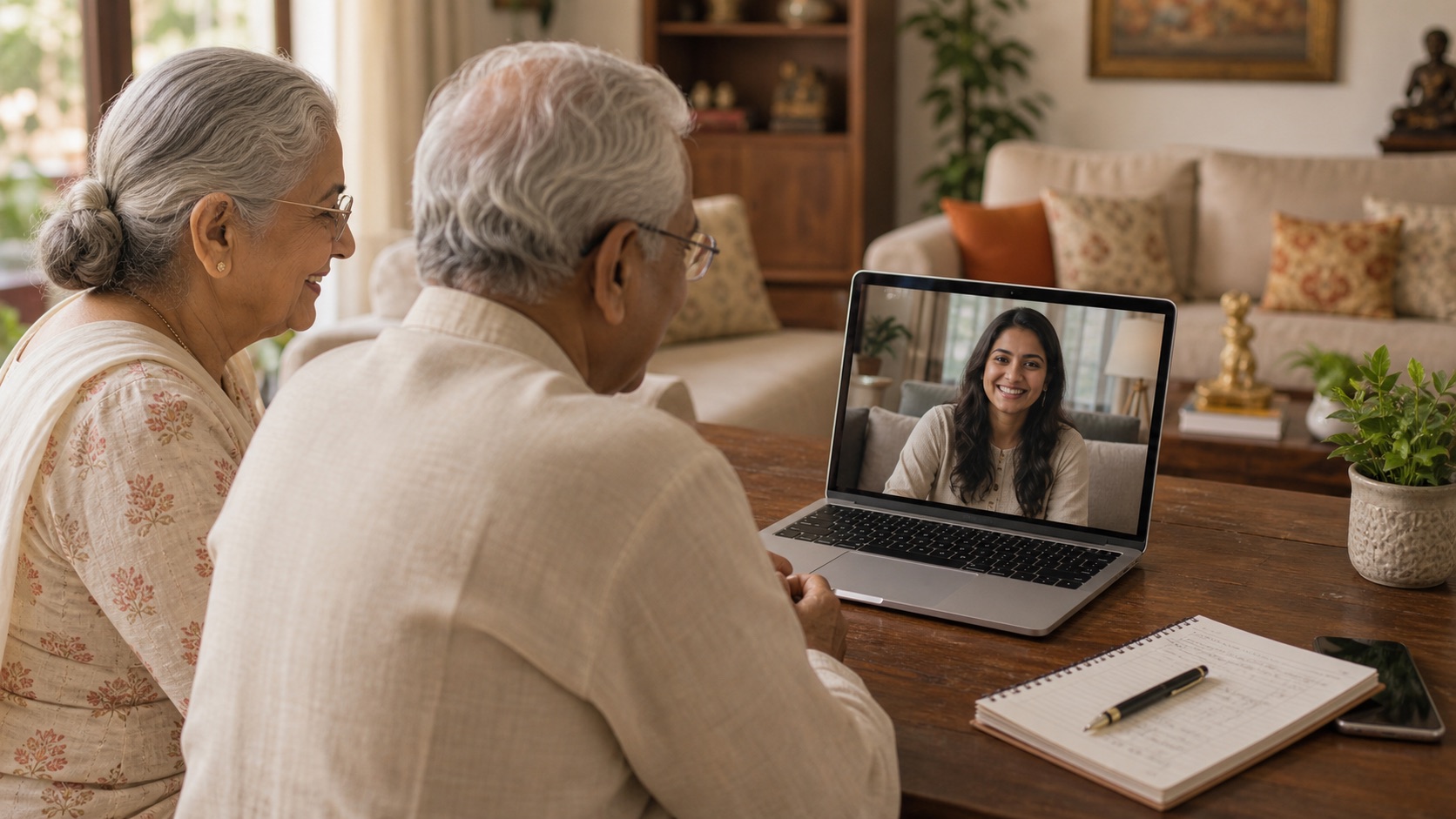
A thoughtful guide for families deciding how to preserve elder independence while adding safety, community, and nearby support.
Independence means having choice, dignity, privacy, movement, relationships, and control over daily life. Living alone can support independence for some elders, but it can also create risk when mobility, memory, medicines, falls, loneliness, or emergency response are weak.
Key numbers to know
4
supports for safe independence
Choice, safety, connection, and escalation planning.
24x7
ideal emergency-readiness mindset
Families should know who responds at any hour, even if care is not constant.
3 km
Krishna Bhumi distance from Vrindavan Railway Station
Access and family reachability matter in senior living decisions.
Main guide
The false choice families create
Families often frame the decision as independence versus help. Elders hear support as loss of control. Adult children hear living alone as danger.
A better frame is supported independence. The elder keeps routine, privacy, and choice while the environment reduces preventable risks.
When living alone becomes fragile
Living alone becomes risky when a parent has falls, missed medicines, unsafe bathrooms, poor nutrition, social withdrawal, memory errors, or no reliable emergency contact nearby.
The issue is not age alone. The issue is whether the support system matches the person's current ability.
Community as an independence tool
A good senior community does not need to infantilize elders. It can provide safe paths, social rhythm, nearby help, spiritual routines, and emergency readiness while preserving private living.
For Krishna Bhumi, this is a central message: community is not dependency. It is infrastructure for autonomy.
7 questions before an elder continues living alone
01Can they get help quickly after a fall?
A phone that is out of reach does not count as an emergency system.
02Are medicines taken correctly?
Missed, doubled, or confused medicines are a safety signal.
03Is food intake reliable?
Spoiled food, skipped meals, or weight loss needs attention.
04Is the bathroom safe?
Most home safety plans should start with bathing and nighttime toilet access.
05Is loneliness affecting mood?
Isolation can reduce appetite, movement, sleep, and motivation.
06Can they manage money and appointments?
Missed bills and appointments may signal cognitive or support issues.
07Is there a local backup person?
NRI families need a trusted local responder, not only video calls.
Living alone vs supported independence
| Factor | What to Watch | Family Action |
|---|
| Privacy | Elder values personal routine and space. | Choose support that preserves private living where possible. |
| Safety | Falls, medicine errors, unsafe bathroom, no night support. | Add environmental fixes and emergency response. |
| Connection | Few visitors, no group routine, withdrawal. | Build scheduled social and spiritual activities. |
| Medical follow-up | Missed appointments, unclear reports, no medicine review. | Create shared records and assigned family roles. |
| Dignity | Elder feels decisions are imposed. | Use conversation scripts and involve them early. |
At a glance
Supported independence model
The goal is not maximum supervision. The goal is the right support at the right distance.
4
supports for safe independence
Choice, safety, connection, and escalation planning.
24x7
ideal emergency-readiness mindset
Families should know who responds at any hour, even if care is not constant.
3 km
Krishna Bhumi distance from Vrindavan Railway Station
Access and family reachability matter in senior living decisions.
Before you act
This article is for education and family planning only. It does not replace advice from a qualified doctor, geriatrician, physiotherapist, psychiatrist, dietitian, or other licensed professional. Seek urgent medical help for sudden weakness, chest pain, severe breathlessness, fainting, serious injury, or sudden confusion.
Questions families ask
Does moving to a senior community reduce independence?
Not necessarily. A good community can increase practical independence by making daily life safer and more connected.
How do we discuss this without hurting parents?
Start with their goals: temple visits, safety, friends, privacy, meals, and emergency comfort. Avoid framing it as incapacity.
When is living alone unsafe?
Repeated falls, missed medicines, confusion, poor nutrition, severe loneliness, or no emergency responder are serious signals.
What if parents refuse help?
Begin with small supports: bathroom safety, medicine organizer, local contact, social visits, and routine check-ins.
How can NRI children help from abroad?
Use monthly checklists, video calls, shared medical records, local responders, and a written emergency plan.
Sources and review notes
Last reviewed: 2026-05-30. The data points in this guide are based on official public-health and ageing sources where available.