How Indian families can reduce fall risk through strength, balance, footwear, home changes, vision, medicines, confidence, and escalation planning.
Fall prevention is a combined plan, not one product. Families should review walking strength, balance, footwear, vision, medicines, blood pressure symptoms, bathroom safety, lighting, stairs, and fear of falling. A near fall is also a warning sign.
Key numbers to know
1 in 4
older adults report falling yearly in CDC data
Falls are common enough that prevention should start before an injury.
6
risk areas
Strength, balance, vision, medicines, footwear, and home design.
1
near fall matters
A stumble, grab, or sudden fear of walking should trigger review.
Main guide
Falls are not simply bad luck
A fall can happen because of weak muscles, poor balance, dim lighting, dizziness, footwear, unsafe bathrooms, rushing, or medicine side effects. Families should avoid blaming the elder and instead study the system around the fall.
The most useful question is: what made this movement unsafe today, and what can we change before it happens again?
Fear of falling also needs care
Some elders stop walking after a stumble. That can reduce strength and confidence, which may increase risk further. The family should support safe, supervised movement rather than complete avoidance.
Qualified physiotherapy, balance practice, strength work, and safer walking routes can rebuild confidence when adapted to the elder's medical condition.
Community routes matter
A senior may be safe inside one room but unsafe outside because paths are uneven, benches are absent, or there is no support nearby.
Senior living design should make walking feel normal, not risky. Clear paths, rest points, predictable lighting, and social walking routines can protect mobility.
7 steps in a fall prevention plan
01Record the near fall
Write where it happened, time of day, footwear, lighting, symptoms, and what the elder was doing.
02Review medicines
Ask a qualified clinician if dizziness, sedation, blood pressure drops, or interactions may be involved.
03Check vision and hearing
Sensory changes can affect balance, obstacles, and confidence.
04Improve strength and balance
Use safe exercises guided by a physiotherapist when there is weakness, frailty, pain, or fear.
05Fix the bathroom first
Water, turning, sitting, and privacy make bathrooms a priority.
06Use the right footwear
Choose stable footwear with grip and fit; avoid loose slippers and smooth soles.
07Make help reachable
The elder should have a way to call for help from bedroom, bathroom, and walking route.
Fall risk signals and family response
| Care Area | What to Watch | Family Action |
|---|
| Slower walking | Dragging feet, holding furniture, avoiding stairs, or stopping often. | Ask about pain, footwear, strength, balance, and physiotherapy. |
| Dizziness | Lightheadedness after standing, new medicines, or dehydration. | Seek medical review, especially if symptoms are new or recurrent. |
| Night bathroom trips | Rushing, poor lighting, loose slippers, or no support handle. | Improve lighting and route safety; discuss frequent urination with a doctor. |
| Fear of walking | Refusing walks after a stumble or needing constant hand-holding. | Use supervised confidence rebuilding and remove route hazards. |
| Recent fall | Pain, head injury, new confusion, or hidden injury. | Seek medical help when there is injury, head hit, fainting, or sudden weakness. |
Care in practice
Three scenes that show how the guidance can look in family planning, safer homes, and supported community living.
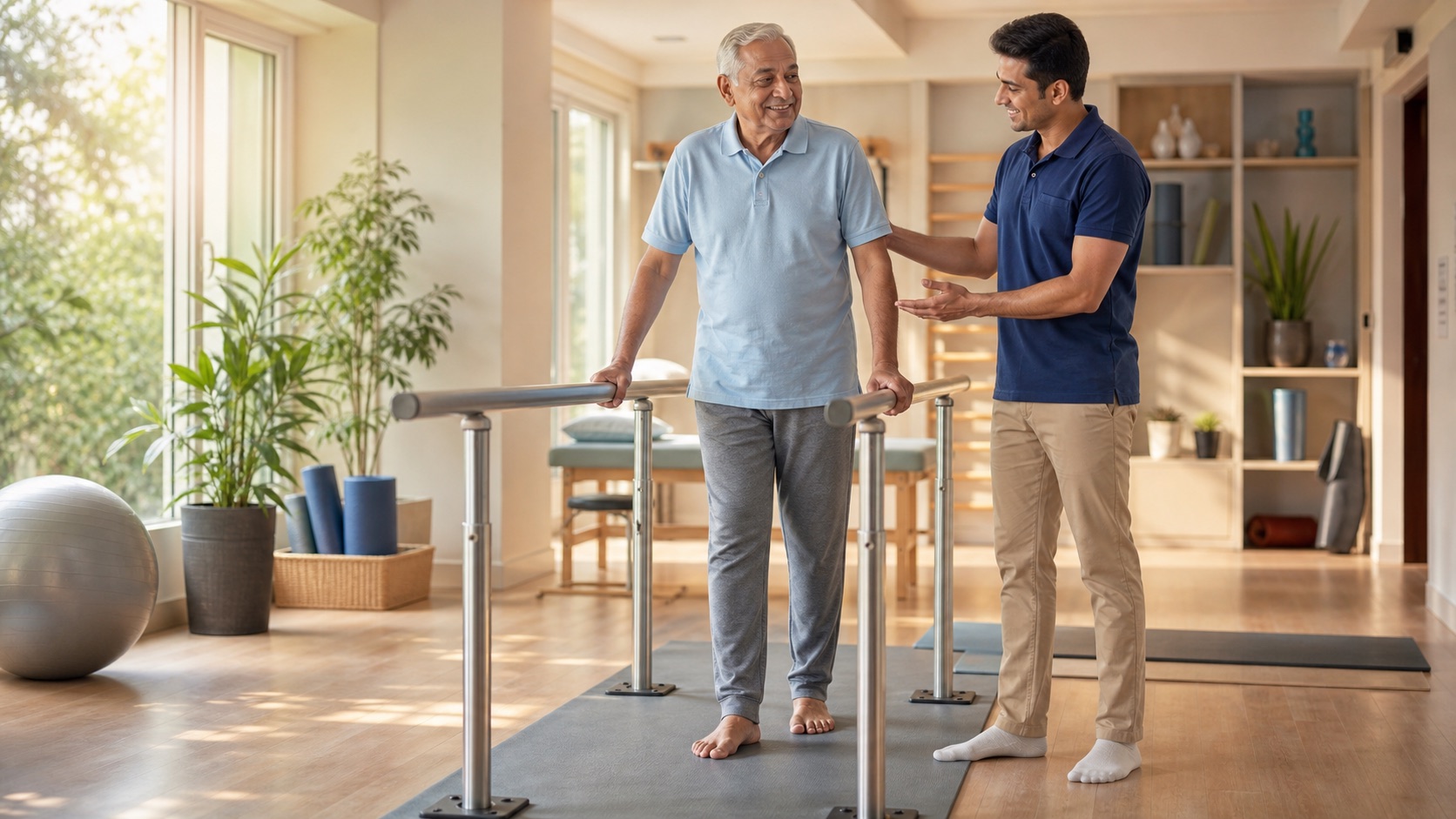 Fall prevention combines strength, balance, footwear, vision, medicines, home design, and confidence.
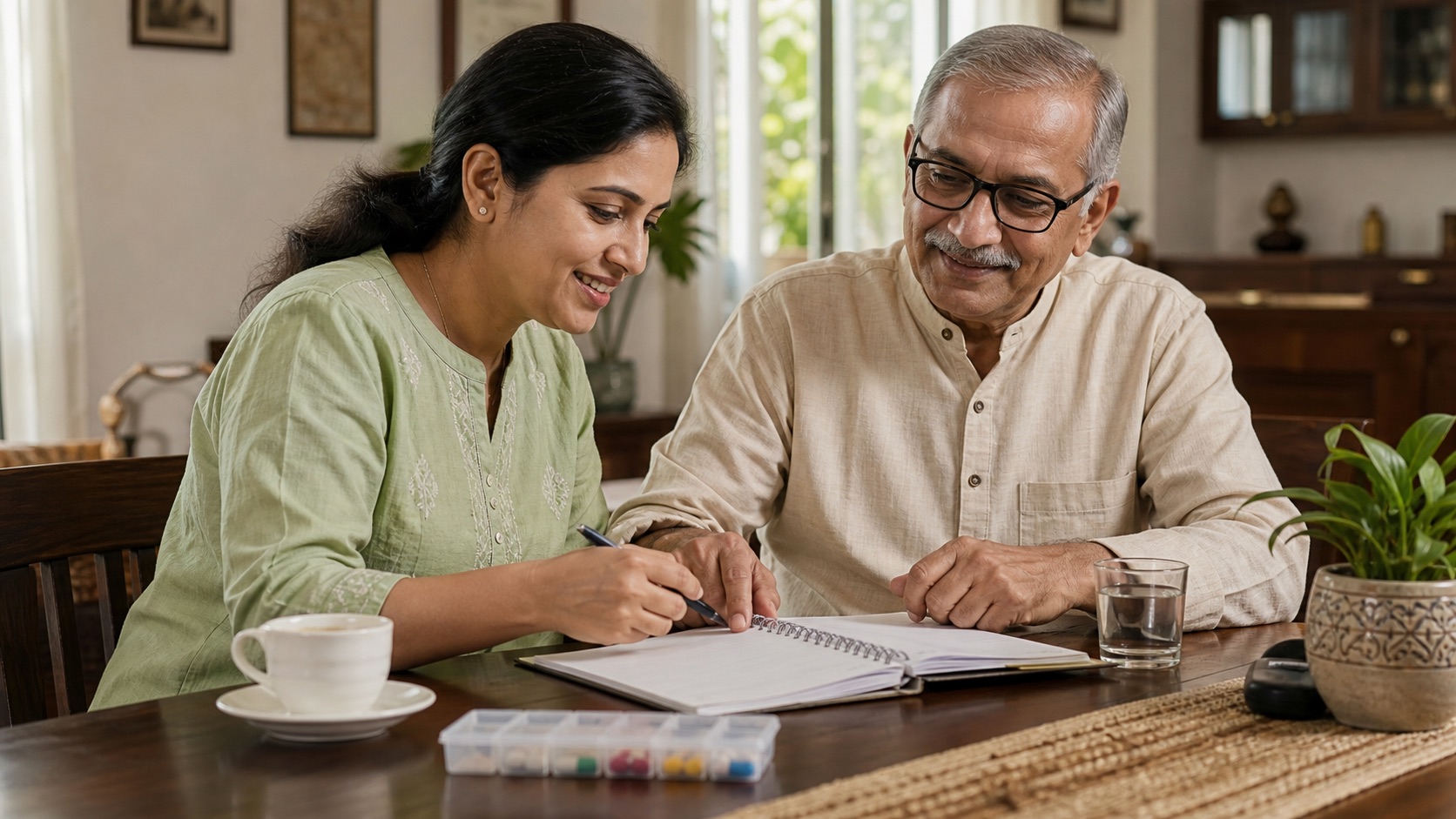 Home safety is not a one-time repair. It is a practical review of bathrooms, lighting, walking routes, medicines, and emergency access.
 Community support can make daily movement, social contact, and emergency response easier for older adults.
At a glance
Falls have patterns families can change
Most prevention plans combine body, medicines, footwear, home design, and response planning.
1 in 4
older adults report falling yearly in CDC data
Falls are common enough that prevention should start before an injury.
6
risk areas
Strength, balance, vision, medicines, footwear, and home design.
1
near fall matters
A stumble, grab, or sudden fear of walking should trigger review.
Before you act
This article is for education and family planning only. It does not replace advice from a qualified doctor, geriatrician, nurse, physiotherapist, mental health professional, legal adviser, or other licensed professional. Seek urgent medical help for sudden weakness, chest pain, severe breathlessness, fainting, serious injury, or sudden confusion.
Questions families ask
Is falling a normal part of ageing?
Falls are common but should not be dismissed as normal. A fall or near fall deserves review of health, home, medicines, and mobility.
Should families buy a walker immediately?
A walking aid should fit the person's need and be taught properly. Ask a qualified clinician or physiotherapist when possible.
What if the elder refuses exercise?
Start with very gentle, meaningful movement and social routines. Fear, pain, fatigue, or depression may be behind refusal.
When is a fall urgent?
Seek urgent care for head injury, severe pain, inability to stand, fainting, chest pain, breathlessness, new weakness, or confusion.
Can community living reduce fall risk?
It can help when the environment has safer paths, better lighting, nearby response, and routine movement opportunities.
Sources and review notes
Last reviewed: 2026-05-30. The care principles in this guide are based on public-health, ageing, and caregiving sources where available.